
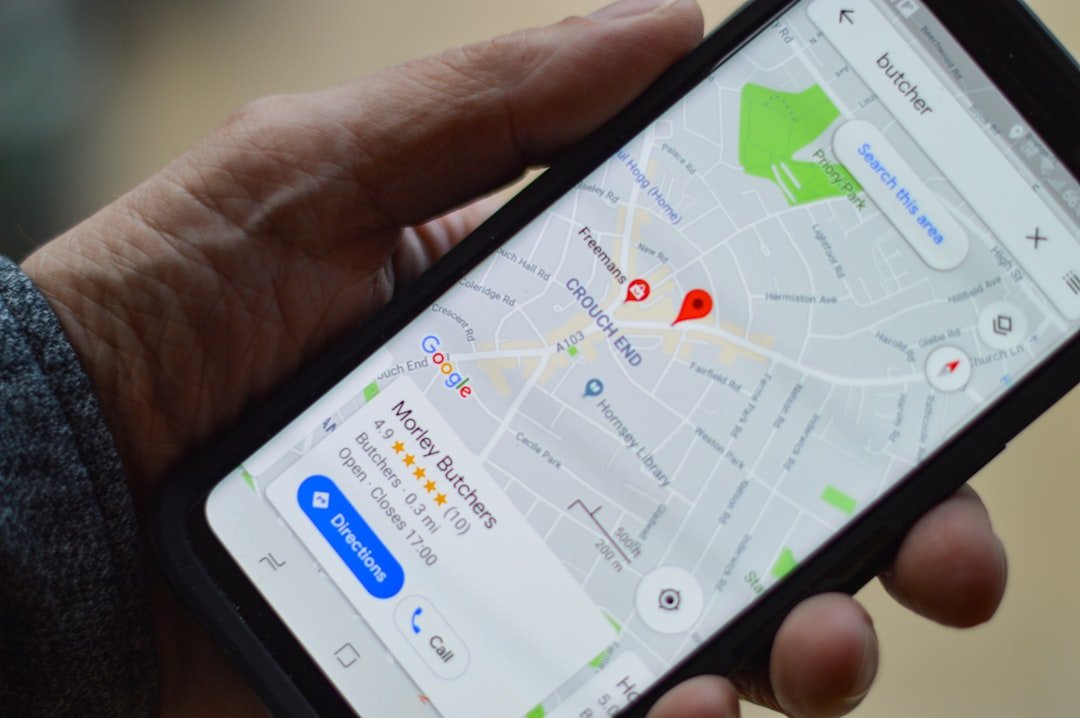
Quick answer: Local SEO is the process of improving a business’s visibility for geographically relevant searches on Google Search and Maps. Google says local results are mainly based on relevance, distance and prominence. You cannot pay Google for a better organic local ranking, and no checklist can guarantee a top-three position.
What you can control is the quality and accuracy of your business information, the usefulness of your website, your reputation and the strength of your local presence.
Google Business Profile Essentials
1. Claim and verify your profile
Verification confirms that you are authorized to manage the business. Google recommends verifying your Business Profile to improve eligibility and control over business information.
2. Use your real-world business name
Use the name customers recognize. Do not add locations, services or “best” keywords unless they are genuinely part of the business name.
3. Choose the most accurate primary category
Select the category that best represents the core business. Add relevant secondary categories only when they accurately describe additional services.
4. Complete your contact information
Keep phone, website, address or service-area information accurate.
5. Keep opening hours current
Update regular and special hours so customers do not arrive when you are closed.
Improve Profile Quality
6. Add useful photos and videos
Show the actual location, team, services, products and customer experience. Google recommends adding photos and videos, but it does not publish a magic number of uploads required to rank.
7. Complete relevant attributes
Add accurate attributes such as accessibility, appointment options or amenities where available for your category.
8. Add services or products where supported
Describe what customers can actually buy or book. Keep names and descriptions factual rather than keyword-stuffed.
9. Publish posts for customers
Business Profile posts can communicate offers, events, updates and news. Google describes them as a customer communication feature; do not assume a particular posting frequency is a direct ranking factor.
10. Review profile information regularly
Google can receive business information from multiple sources, so periodically verify that important details remain correct.
Build Local Trust
11. Ask real customers for reviews
Create a simple, policy-compliant review request process. Never buy reviews or offer prohibited incentives.
12. Respond professionally to reviews
Google recommends managing and responding to reviews. Useful responses also show prospective customers that the business is active and accountable.
13. Monitor review themes
Reviews can reveal recurring strengths, service gaps and questions that should be addressed on your website.
14. Keep business information consistent
Make sure major directories and social profiles do not contain outdated phone numbers, locations or websites. Minor formatting variations are less important than factual consistency.
15. Remove or report problematic duplicates
Duplicate or ineligible listings can confuse customers and create management problems. Follow Google’s Business Profile policies when resolving them.
Optimize the Website
16. Create strong service pages
Explain each important service clearly, including who it is for, how it works and the locations you genuinely serve.
17. Build unique location pages where justified
If the business has multiple real locations or meaningful service areas, create useful location content. Avoid doorway pages that simply swap city names.
18. Optimize titles and headings naturally
Use the service and location when they accurately match search intent. Do not force city names into every heading.
19. Add appropriate LocalBusiness structured data
Use accurate structured data that matches visible business information. Schema can clarify facts but does not guarantee local rankings.
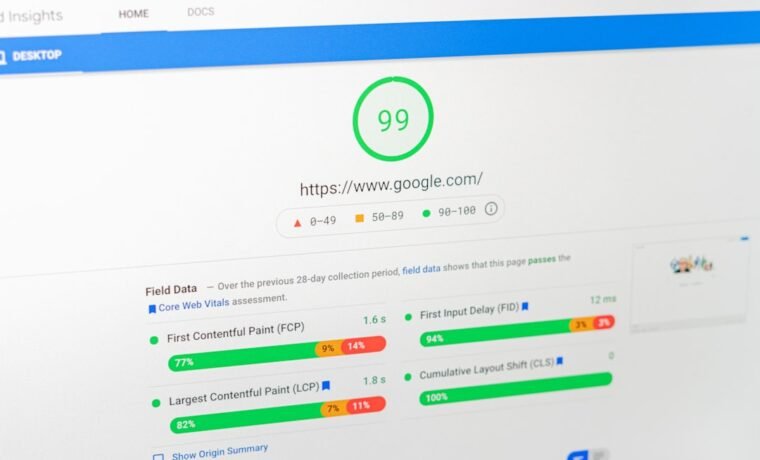
20. Improve mobile performance and Core Web Vitals
Local customers frequently use mobile devices. Fast loading, readable content, working forms and tap-friendly navigation improve the experience.
Build Local Prominence
21. Earn relevant local links and mentions
Partnerships, chambers, trade bodies, local publications and community organizations can provide genuine local authority and referral value.
22. Maintain important citations
Focus on reputable directories relevant to your geography or industry rather than mass-submitting to hundreds of low-quality sites.
23. Publish locally useful content
Create content around real customer questions, local regulations, service-area considerations or community topics when relevant to the business.
24. Track local performance
Monitor Business Profile performance, Search Console, website conversions, calls, forms and—where possible—rankings from multiple locations rather than one single device.
25. Audit regularly
Review profile accuracy after business changes and periodically assess competitors, reviews, website performance, indexing and local content.
How Google Says Local Rankings Work
| Factor | Meaning |
|---|---|
| Relevance | How well the business matches what the searcher is looking for. |
| Distance | How far the business is from the location used or inferred for the search. |
| Prominence | How well known the business is, including information Google finds across the web, links and reviews. |
These are Google’s official high-level factors. Anyone claiming to know an exact percentage weighting for each should be treated cautiously.
Common Local SEO Mistakes
- Keyword stuffing the Business Profile name.
- Using fake addresses or creating profiles for ineligible locations.
- Buying or incentivizing prohibited reviews.
- Creating duplicate city pages with nearly identical content.
- Letting hours, phone numbers or services become outdated.
- Assuming weekly posts or a specific photo count guarantees rankings.
- Ignoring the website because “GBP is enough.”
Frequently Asked Questions
What is the most important local ranking factor?
Google does not publish one single most important factor. It says local results are mainly based on relevance, distance and prominence.
Do reviews help local rankings?
Yes. Google says review count and review score factor into local ranking, and more reviews and positive ratings can help.
Do Google Business Profile posts improve ranking?
Google promotes posts as a way to share information and engage customers, but its official local-ranking guidance does not list posting frequency as a guaranteed direct ranking lever.
How long does local SEO take?
There is no fixed timeline. Competition, location, business category, existing prominence, website quality and distance from searchers all affect results.
Need Help With Local SEO?
SEO Mind Tech can audit your Google Business Profile, website, citations, reviews and local competitors to create a prioritized action plan. Request a local SEO audit.
Source
Google Business Profile Help: Tips to improve your local ranking

About the author
Nee
SEO Mind Tech publishes practical guidance on search visibility, AI discovery, performance marketing, content and web growth systems.